How Programming Quizzes Improve Your Fundamental Coding Skills
Programming is more than writing lines of code. It involves solving problems, thinking logically, and understanding how software works. Tutorials, videos, and textbooks provide valuable knowledge but often leave one important gap active practice. Programming quizzes fill this gap as an effective learning tool.
Programming quizzes challenge learners to recall concepts, apply logic, and identify correct solutions under real conditions. Rather than passively consuming information, you actively engage with programming principles, strengthening your understanding over time.
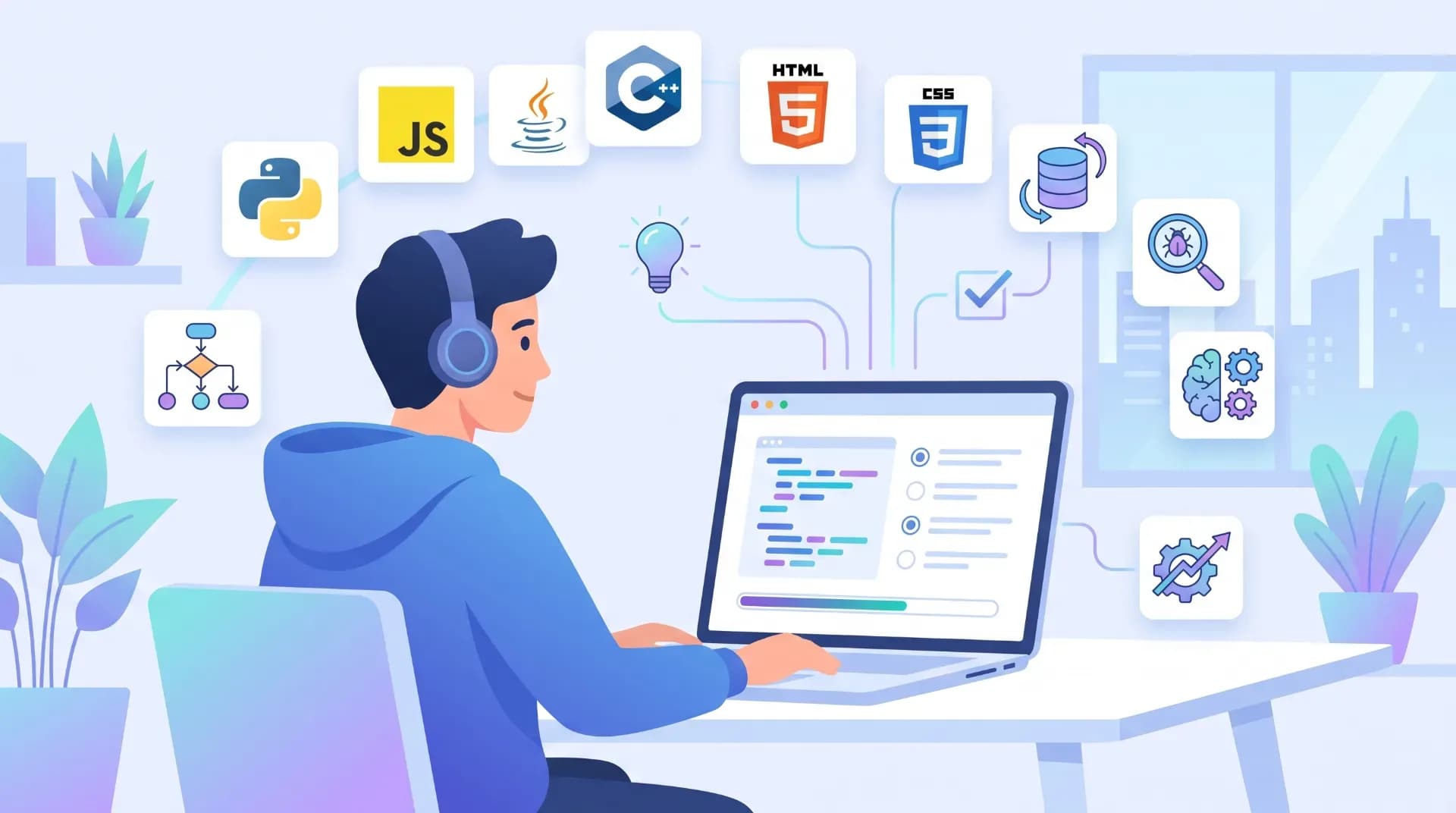
Whether you're learning Python, JavaScript, Java, C++, or another programming language, quizzes can reinforce your skills and make your learning journey more efficient. Platforms like NeuraQuiz.com make it easy to practice coding concepts through interactive quizzes that help learners build confidence while improving their technical knowledge.
Why Coding Fundamentals Matter
Before diving into advanced topics such as artificial intelligence, web development, cloud computing, or cybersecurity, every programmer needs a strong foundation.
Programming fundamentals include:
- Variables
- Data types
- Operators
- Conditional statements
- Loops
- Functions
- Arrays and lists
- Object-oriented programming basics
- Algorithms
- Data structures
Without mastering these concepts, advanced programming is much more difficult. Even experienced software engineers regularly revisit fundamental principles because they form the basis of almost every software project.
Programming quizzes reinforce these core ideas through repetition and application.
What Are Programming Quizzes?
Programming quizzes are structured assessments that test coding knowledge through multiple-choice questions, code snippets, debugging exercises, output prediction, and logic-based scenarios.
Unlike traditional exams, online programming quizzes are designed for continuous learning rather than grading.
A quality programming quiz typically helps learners:
- Recall important concepts
- Apply syntax correctly
- Identify programming errors
- Understand algorithmic thinking
- Practice debugging
- Measure learning progress
Modern quiz platforms often include instant scoring, explanations, and performance tracking, making learning more interactive and rewarding.
How Programming Quizzes Strengthen Coding Fundamentals
1. Active Recall Improves Long-Term Memory
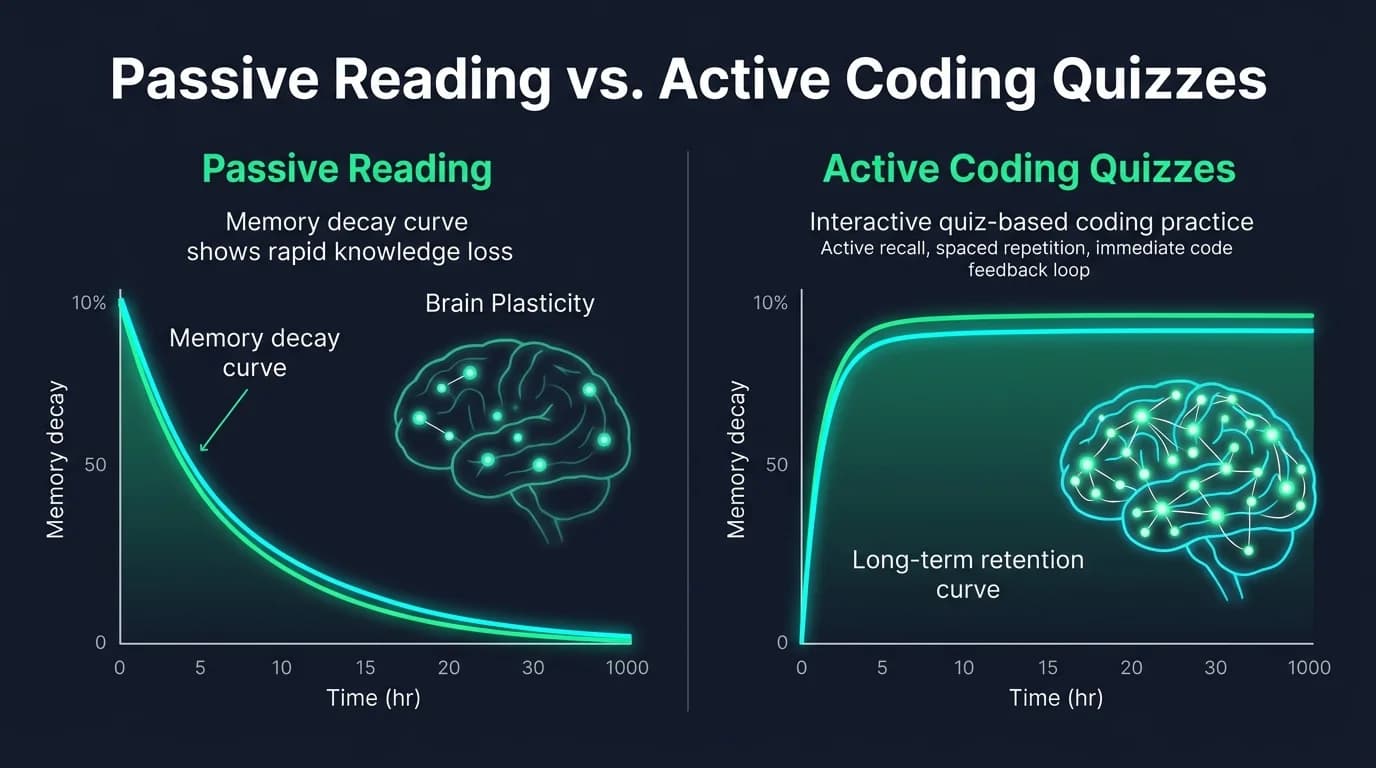
Educational research shows that actively retrieving information strengthens memory more effectively than passive review. Reading the same chapter multiple times may create familiarity, but answering questions from memory forces your brain to retrieve and reinforce knowledge.
For example, instead of simply reading about Python loops, a quiz might ask which loop is most appropriate for a specific scenario or predict the output of a short code snippet. This process strengthens retention and makes it easier to recall concepts when writing real programs.
Over time, repeated retrieval helps transform foundational concepts into knowledge you can apply with confidence.
2. Immediate Feedback Helps Correct Mistakes
One major advantage of online programming quizzes is instant feedback. Instead of waiting for an instructor to review your work, you can quickly see whether your answer is correct and understand why.
This immediate correction prevents misconceptions from becoming long-term habits. When explanations accompany quiz answers, learners gain insight into the reasoning behind the correct solution, reinforcing both conceptual understanding and practical application.
3. Quizzes Build Logical Thinking
Programming is fundamentally about solving problems. Even simple quiz questions encourage learners to analyze conditions, compare possible outcomes, and choose the most appropriate solution.
As quizzes increase in difficulty, they gradually develop computational thinking, pattern recognition, and algorithmic reasoning. These skills are essential for debugging, designing efficient programs, and approaching unfamiliar coding challenges.
4. Regular Practice Reinforces Core Concepts
Consistency is an effective way to improve programming skills. Short quiz sessions repeated over time reinforce essential concepts without requiring long study sessions.
For example, spending 15–20 minutes each day answering questions about variables, loops, functions, or object-oriented programming can improve retention compared with occasional marathon study sessions.
This steady practice keeps foundational knowledge fresh and easier to apply in real coding projects.
5. Quizzes Improve Debugging Skills
Reading and writing code are important, but identifying errors is equally valuable. Many programming quizzes include debugging exercises where learners must locate syntax errors, logic mistakes, or incorrect program output.
These activities encourage careful reading, analytical thinking, and attention to detail—skills that are indispensable for software development.
The more exposure learners have to common coding mistakes, the better prepared they are to recognize and resolve similar issues in their own projects.
6. They Encourage Consistent Learning Habits
Building coding skills requires regular practice. Programming quizzes offer manageable learning sessions that fit easily into a daily routine.
Instead of committing several hours to study, learners can complete a few quizzes each day, maintaining momentum and gradually improving. This habit supports long-term learning and reduces forgetting previously learned concepts.
7. Confidence Grows Through Measurable Progress
As learners complete quizzes and see improvements in their scores, they gain confidence. This progress can be motivating, especially for beginners who may feel overwhelmed by the breadth of programming topics.
Tracking performance over time helps learners identify strengths, recognize areas for improvement, and celebrate milestones along their learning journey.
8. Quizzes Prepare Learners for Technical Assessments
Many academic programs, coding bootcamps, and employers use technical assessments to evaluate programming knowledge. Regular exposure to quiz-style questions helps learners become comfortable answering under time constraints and interpreting code quickly.
Practicing programming quizzes can improve familiarity with common question formats and reduce anxiety during assessments.
Programming Topics Best Learned Through Quizzes
Programming quizzes are particularly effective for reinforcing a wide range of foundational topics, including:
- Programming syntax
- Variables and data types
- Conditional statements
- Loops and iteration
- Functions and methods
- Recursion basics
- Arrays and collections
- Object-oriented programming concepts
- Data structures
- Algorithms
- Time complexity
- Database fundamentals
- SQL queries
- HTML and CSS basics
- JavaScript fundamentals
- Python programming
- Java programming
- C and C++
- Git version control
- Software engineering principles
These topics benefit from repeated retrieval and application, making quizzes a valuable supplement to tutorials and exercises.
How to Use Programming Quizzes Effectively
To maximize the benefits of programming quizzes, consider the following strategies:
- Practice consistently. Short daily sessions are more effective than infrequent, lengthy study periods.
- Review explanations carefully. Understanding why an answer is correct is just as important as selecting it.
- Focus on weak areas. Revisit topics where you score lower to improve your understanding.
- Combine quizzes with hands-on coding. Reinforce quiz concepts by building small projects or solving coding challenges.
- Increase difficulty gradually. Start with foundational topics before progressing to advanced algorithms or system design.
- Track your progress. Monitoring improvements over time can help maintain motivation and identify learning gaps.
Common Mistakes to Avoid
While programming quizzes are highly effective, they should be used thoughtfully. Avoid these common pitfalls:
- Memorizing answers instead of understanding concepts.
- Ignoring explanations after getting a question wrong.
- Skipping hands-on coding practice.
- Attempting advanced topics before mastering the basics.
- Studying only before exams instead of maintaining a regular schedule.
- Do not become discouraged by incorrect answers; mistakes are valuable learning opportunities.
By combining quizzes with practical programming experience, learners develop both theoretical understanding and real-world coding ability.
Why Online Programming Quiz Platforms Are Growing
Online learning has transformed how people acquire technical skills. Interactive quiz platforms offer flexibility, accessibility, and immediate feedback, appealing to students, professionals, and lifelong learners alike.
Features like personalized recommendations, progress tracking, and mobile accessibility let learners practice anytime and anywhere. As remote education and self-directed learning expand, programming quizzes become an increasingly important part of modern technical education.
How NeuraQuiz Supports Coding Practice
Choosing the right learning platform can make consistent practice easier. NeuraQuiz.com provides interactive technology quizzes designed to help learners reinforce programming concepts, assess their understanding, and identify areas for improvement.
WhetherWhether reviewing Python syntax, testing JavaScript knowledge, or strengthening understanding of algorithms and data structures, NeuraQuiz offers opportunities to practice through engaging quizzes. Regular quiz sessions help build confidence while steadily improving coding fundamentals.th any educational resource, the greatest benefits come from pairing quizzes with hands-on coding projects, documentation, and continued study.
Frequently Asked Questions
Do programming quizzes actually improve coding skills?
Yes. Programming quizzes reinforce knowledge through active recall, immediate feedback, and repeated practice. They are most effective when combined with hands-on coding exercises.
Are programming quizzes suitable for beginners?
Absolutely. Beginner-friendly quizzes help learners understand foundational concepts such as variables, loops, functions, and conditional statements before moving on to advanced topics.
Which programming language should beginners practice first?
There is no single best choice for everyone. Python is often recommended because of its readable syntax, but JavaScript, Java, and C# are also excellent options depending on your goals.
How often should I take programming quizzes?
Short daily or several-times-per-week sessions are generally more effective than occasional long study sessions. Consistency supports better retention.
Can programming quizzes replace coding projects?
No. Quizzes reinforce theoretical knowledge, while coding projects develop practical problem-solving and implementation skills. Both are important for becoming a proficient programmer.
What makes a good programming quiz platform?
A quality platform offers clear explanations, diverse question types, progress tracking, regularly updated content, and a user-friendly experience. It should encourage learning rather than simply testing memorization.
Are programming quizzes useful for interview preparation?
Yes. Many technical interviews include conceptual questions and coding fundamentals. Regular quiz practice can improve recall, strengthen understanding, and increase confidence during assessments.
Conclusion
Programming quizzes are more than a way to test knowledge. They are a practical learning tool that strengthens coding fundamentals through active recall, consistent practice, and immediate feedback. Regularly challenging yourself with well-designed quizzes reinforces core concepts, improves problem-solving abilities, and builds confidence to tackle increasingly complex programming tasks.
Whether you're just beginning your coding journey or refreshing essential skills, integrating quizzes into your study routine can complement tutorials, documentation, and hands-on projects. Platforms like NeuraQuiz.com make this process engaging by providing interactive opportunities to assess your understanding and track your progress over time.
The most effective approach combines quiz-based learning with real coding practice. Together, they create a strong foundation that supports long-term growth as a programmer.